
When life gets demanding, it is common to notice that your health begins to slide. You might experience a sudden scratchy throat or find yourself catching every bug that goes around the office. This is not a coincidence. The link between stress and immune system function is a highly researched area of human biology.
Psychological stress is not just an emotional state; it triggers a cascade of physical changes. When your brain perceives a threat, it rewires your physiological priorities. Unfortunately, your long-term immune protection is often the first system to be sidelined.
Understanding how this process works allows you to take scientific, practical steps to protect your health during busy periods.
Key Takeaways
-
Chronic stress floods the body with cortisol, which suppresses the production of protective immune cells.
-
Prolonged stress dysregulates your immune response, leading to chronic, systemic inflammation.
-
Stress dries out mucosal linings, making it easier for pathogens to enter through the mouth and throat.
-
Supporting your oral and gut microbiomes helps maintain strong defences even when stress levels are high.
Can Stress and Anxiety Affect Your Immune System?
The short answer is yes. Clinical research establishes a direct pathway between your nervous system and your defensive cells. When you ask if stress and anxiety affect your immune system, you are looking at the field of psychoneuroimmunology. This is the study of how your brain, hormones, and immune defences interact.
The impact of stress depends heavily on its duration. Short-term stress triggers a temporary adaptive state where the body prepares for a physical challenge by redistributing immune cells to the skin and mucous membranes.
However, when stress shifts into chronic distress, this protective mechanism breaks down. Prolonged neuroendocrine activation suppresses immune gene expression, causing a progressive decline in your body's defensive capabilities and leaving you vulnerable to seasonal threats.
The Physiology of a Stress-Induced Weakened Immune System
To understand a stress and weakened immune system, you have to look at how your nervous system communicates directly with your defensive cells. The body connects these systems through two primary pathways: the hypothalamic-pituitary-adrenal (HPA) axis and the sympathetic-adrenal-medullary (SAM) axis.
When you experience chronic stress, these pathways are continuously stimulated, flooding your bloodstream with glucocorticoids like cortisol and catecholamines like adrenaline. This results in several major biological disruptions:
1. Suppression of White Blood Cells
High hormone levels actively inhibit the distribution and trafficking of vital lymphocytes, such as T cells and natural killer cells. The sympathetic nerve fibres release neurotransmitters that bind directly to receptors on white blood cells, reducing their proliferation and slowing their movement to areas of infection. With fewer active lymphocytes moving through your tissues, your body is less equipped to track down and neutralise threats.
2. Dysregulated Immune Response
Prolonged stress alters your stress and immune response by shifting the baseline balance of pro-inflammatory cytokines. While acute stress can temporarily prompt protection during a short-term challenge, chronic distress creates a state of ongoing cellular exhaustion. This molecular dysregulation can trigger the reactivation of latent viruses and keeps your body in a state of low-grade systemic inflammation that slows down your natural recovery times.
3. Compromised Mucosal Immunity
Stress triggers the sympathetic nervous system, which can reduce saliva flow. Saliva is vital because it contains secretory IgA, an antibody that neutralises invaders before they enter the body. A dry mouth breaks down this physical barrier. This is why high stress is heavily linked to various sore throat causes and upper respiratory irritation.
Protecting Your Entry Points During High Stress
Because chronic stress explicitly compromises your mucosal immunity and reduces protective saliva flow, supporting the oral cavity is a vital defensive step. When your body is under pressure, deploying targeted oral probiotics can help maintain a balanced microbiome at your primary entry points.
-
HoneyBLIS®: These soothing lozenges combine BLIS K12®, an advanced oral probiotic naturally found in the mouths and throats of healthy individuals, with the benefits of Manuka and Kamahi honey. BLIS K12® helps support your mouth's natural immune defences by crowding out unwanted bacteria and promoting a healthier oral microbiome, while the honey provides a soothing effect for the throat.
-
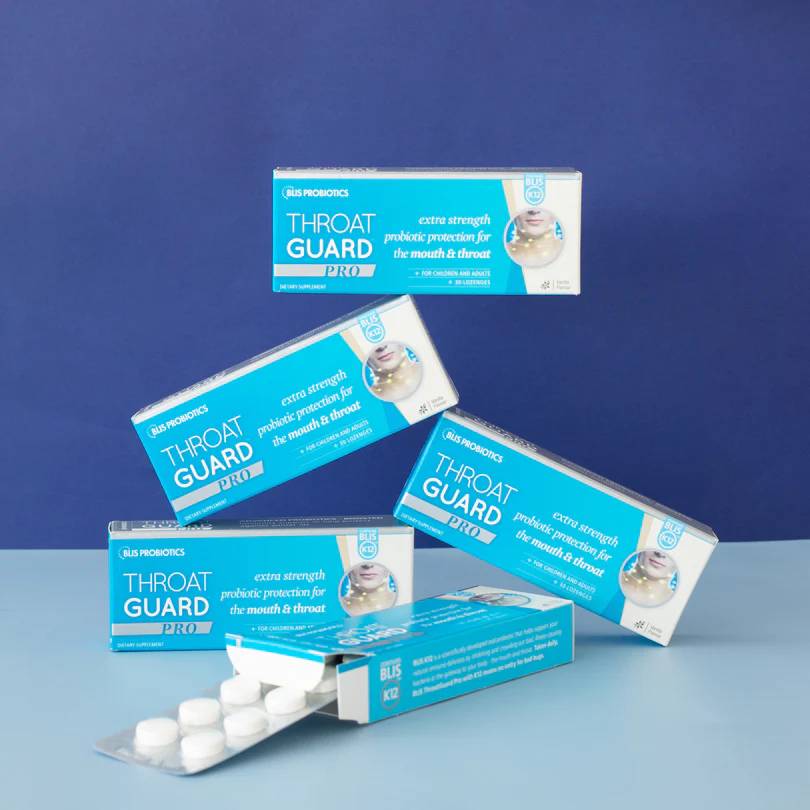
ThroatGuard® PRO: A high-potency formula ideal for times of acute stress, intense workloads, or heavy travel when your immune gateway needs immediate, concentrated support.
By letting these lozenges dissolve slowly after brushing your teeth, you allow the beneficial bacteria to attach to your throat tissues, forming a biological shield when your natural defences are compromised.
Signs Stress is Weakening Your Immunity
You do not need a blood test to know that your stress and immunity balance is compromised. Your body provides clear physical indicators when your defences are dropping:
-
Chronic stress often leads to frequent seasonal illnesses, meaning you catch more than two or three colds a year or struggle to recover from minor bugs.
-
Minor cuts, scratches, or blemishes take weeks to clear up instead of days because your cellular repair systems slow down.
-
High pressure weeks frequently cause a persistent, dry, or scratchy feeling in the throat as your local mucosal defences decline.
-
Changes in digestion like bloating or discomfort signal that your gut barrier is under strain from elevated cortisol.
The Gut-Immune Connection and Microbiome Health
Your immune system does not operate in a vacuum. Approximately 70% to 80% of your immune cells reside in your digestive tract. There is a continuous conversation between these immune cells and the bacteria living in your gut microbiome.
Stress negatively impacts this relationship. It can alter the lining of your gut, making it easier for undesirable bacteria to multiply. When your microbiome is out of balance, your immune cells receive mixed signals, leaving you vulnerable to outside threats.
Learning how probiotics strengthen your immune system is an essential part of any modern wellness strategy. By supporting your beneficial bacteria, you help maintain the signals required for a steady, effective immune response.
Science-Backed Ways to Support Immunity Under Stress
You cannot always eliminate all sources of stress in your life, but you can change how your mind and body handles them. Implementing a structured strategy helps mitigate the physiological damage.
1. Focus on Sleep Quality
Sleep is when your immune system actively repairs itself and produces new cytokines. Aim for seven to nine hours of undisturbed rest. Avoid screens for an hour before bed to support natural melatonin production, which helps lower evening cortisol levels.
2. Practice Active Stress Management
Mindfulness, deep breathing exercises, and regular walking have been shown to lower heart rates and reduce circulating cortisol levels. Even ten minutes of deliberate relaxation can shift your body out of a sympathetic "flight" state.
3. Support the Entire System
A comprehensive approach to wellness means looking at both your gut microbiome and your oral microbiome. If you are exploring the best probiotics for cold and flu protection, choosing advanced strains that support your body from the mouth downward helps build long-term biological resilience.
Take Control of Your Defences Today
Stress is a regular part of modern life, but a weakened immune system does not have to be. By combining targeted lifestyle changes with the advanced bacterial protection of the BLIS Immunity Collection, you can support your body's natural shields from the very first breath.
Shop the BLIS Immunity Range and protect your gateway to health today.
FAQs
Does stress affect your immune system directly?
Yes. Chronic stress triggers the continuous release of glucocorticoids like cortisol, which alters immune gene expression and directly suppresses the activity of white blood cells. This neuroendocrine shift reduces your body's ability to defend itself against infections.
Why does stress cause a sore throat?
Stress activates the sympathetic nervous system, which can reduce saliva flow and dry out your oral cavity. Because saliva contains vital antibodies like secretory IgA, a dry mouth breaks down your physical defenses, leaving the throat vulnerable to irritation and harmful bacteria.
How do oral probiotics protect your body during stressful periods?
When stress lowers your natural mucosal immunity, oral probiotics like BLIS K12® help by physically colonising the cells in your mouth and throat. They produce natural antimicrobial substances that actively crowd out harmful bacteria at your primary entry point.
Can anxiety cause a weakened immune system over time?
Yes. Persistent anxiety keeps the body in a prolonged state of distress. This chronic activation dysregulates pro-inflammatory cytokines, causing cellular exhaustion and low-grade systemic inflammation that slows down your natural healing and recovery processes.