
Key Takeaways
-
Address the Root Cause: Tonsil stones are living biofilms, not just trapped food. Managing throat bacteria is more effective than manual removal.
-
Avoid Irritation: Using cotton swabs or fingers to "pop" stones can damage delicate tissue. Gentle methods like saltwater gargles are safer.
-
Hydration is Vital: Saliva is your body's natural defence. Dry mouth encourages the growth of the anaerobic bacteria that create stones.
-
Fresh Breath Support: The FreshBreath Kit includes BLIS K12® lozenges to help manage the bad breath often associated with tonsil stones. These beneficial bacteria target the odour-causing bacteria to help keep your breath fresh.
Tonsil stones, or tonsilloliths, are a common and often embarrassing problem. While usually harmless, they are a primary driver of chronic bad breath and throat discomfort. Many people spend their time trying to physically remove them, but the real secret to clear tonsils lies in managing your throat's microbiome. This guide explores what causes these small, calcified deposits and how you can manage them effectively.
What causes tonsil stones?
Tonsil stones form when debris like food particles, dead cells, and mucus get trapped in the small crevices of your tonsils, known as tonsil crypts. These stones are actually living biofilms and are active communities of bacteria that have colonised the back of your throat.
The "glue" that holds these stones together is a biofilm created by anaerobic bacteria. These thrive in low-oxygen environments, such as the deep nooks of your tonsils. As they process trapped debris, they produce volatile sulphur compounds (VSCs), responsible for the distinct "rotten egg" smell. For more on this connection, check out our guide on probiotics for bad breath.
Factors like chronic sinus issues and post-nasal drip provide a constant supply of mucus that acts as "fuel" for stones. Additionally, people with larger tonsils or deeper crypts are naturally more prone to trapping the materials required for stone formation.
How do you know if you have tonsil stones?
Not everyone can see tonsil stones in the mirror. They are often tucked away deep within the tissue. You might have them if you experience:
-
Persistent bad breath: A sharp smell that resists regular brushing and flossing.
-
A feeling of something stuck: A sensation of a foreign object in the throat, often called a globus sensation.
-
White or yellow debris: Small, hard white flecks visible on the tonsils.
-
Sore throat or ear pain: Pressure from stones can cause referred pain in the ear.
-
Difficulty swallowing: Depending on the size, a stone may feel scratchy when you swallow.
If you notice these symptoms, your oral microbiome may be out of balance. Understanding the basics of the oral microbiome can help you identify why these imbalances occur.
How to get rid of tonsil stones safely
Most people's first instinct is to reach for a cotton swab to "pop" the stones out. While this provides immediate relief, it is a temporary fix. It can also irritate delicate tissue, cause bleeding, or lead to infection. Since your tonsils are part of your lymphatic system, they should be treated with care.
To get rid of them effectively without causing damage, try:
-
Saltwater gargles: Saltwater helps soothe the throat and can naturally dislodge smaller stones by changing the surface tension in the crypts.
-
Low-pressure water flosser: Gently flushing the crypts can clear out debris before it hardens. Ensure the setting is very low to avoid tissue trauma.
-
Non-alcoholic mouthwash: Alcohol-based rinses dry out the mouth. Studies have shown that dry mouth (xerostomia) encourages the growth of the anaerobic bacteria that cause stones.
-
Vigorous coughing: Sometimes, a purposeful cough can help loosen stones sitting near the surface.
The long-term solution: Addressing the microbiome
The reason tonsil stones keep coming back is that the "bad" bacteria are still colonised in the tonsil crypts. To stop the cycle, we need to change the environment of the throat.
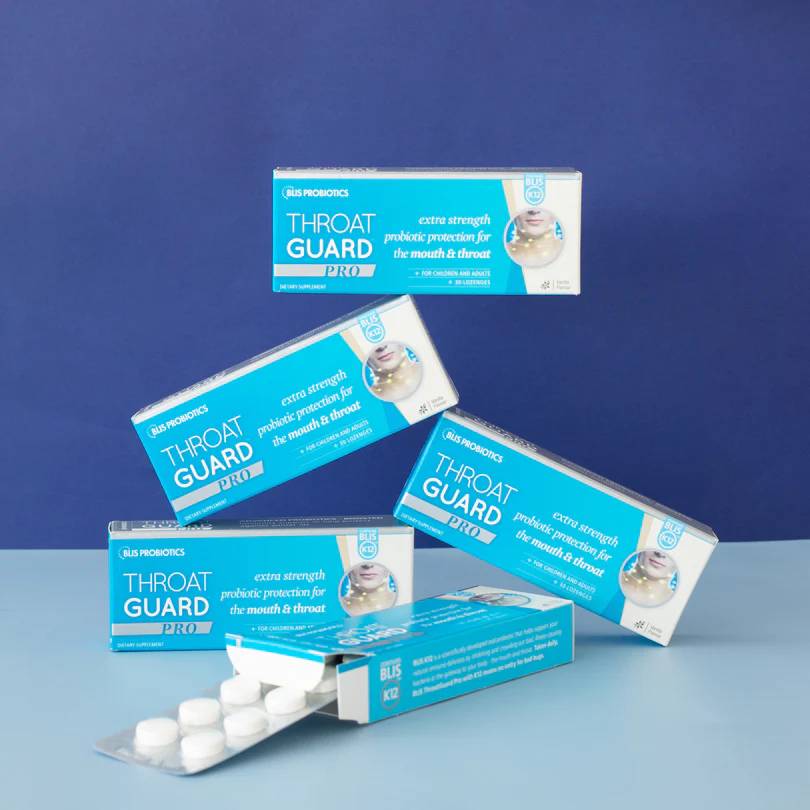
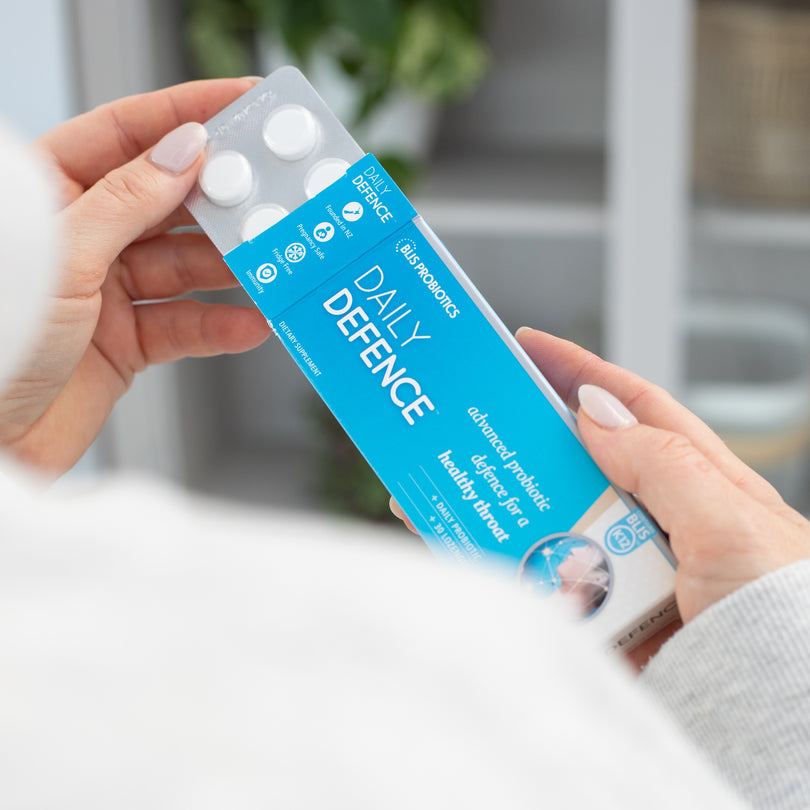
This is where targeted products like DailyDefence® and ThroatGuard® PRO become your most powerful tool. Both formulations feature the hero strain Streptococcus salivarius K12 (BLIS K12®), a beneficial bacterium that naturally inhabits a healthy mouth and throat, but usually not in enough quantities to be effective.
By regularly using these probiotics, you can effectively "crowd out" the harmful, stone-causing bacteria. This process, known as bacterial interference, works by occupying the space in your tonsil crypts that anaerobic bacteria would otherwise use to form smelly biofilms.
-
DailyDefence®: Best for ongoing maintenance. It provides a consistent dose of BLIS K12® to keep your throat's microbiome balanced and prevent stones from returning.
-
FreshBreath Kit: This high-potency kit helps manage the bad breath associated with tonsil stones. It works by populating your oral cavity with beneficial bacteria to support fresh breath.
By switching from reactive removal to a proactive routine with these lozenges, you significantly reduce the production of volatile sulphur compounds. This doesn't just help prevent the physical formation of stones; it targets the root cause of the associated bad breath.
Don't settle for temporary fixes that only scratch the surface. If you're tired of the discomfort and persistent bad breath caused by tonsil stones, it's time to support your throat's natural defences. By repopulating your oral microbiome with BLIS K12®, you can tackle the root cause of stone formation and enjoy long-lasting fresh breath.
Shop the full range of BLIS Probiotics® today and take the first step toward a healthier, more balanced throat.
FAQs
Can tonsil stones make you sick?
Generally, they are not dangerous. However, large or embedded stones can lead to tonsillitis. If you experience severe pain, swelling, or difficulty breathing, consult a healthcare professional.
Do probiotics help with tonsil stones?
The FreshBreath Kit helps manage the bad breath that's often associated with tonsil stones. It uses BLIS K12® lozenges to populate your mouth with beneficial bacteria and support fresh breath.
Should I remove my own tonsil stones?
Be very gentle. Saltwater gargles are safe, but using sharp objects can lead to injury. If stones are persistent, see an ENT specialist for professional removal.
Why do tonsil stones smell so bad?
The foul odour comes from volatile sulphur compounds (VSCs). These are produced by anaerobic bacteria as they break down the trapped protein, mucus, and debris within the tonsil crypts.
Is it possible to stop tonsil stones from coming back permanently?
While some people consider surgery (tonsillectomy), you can significantly reduce recurrence by changing your throat’s environment. Maintaining high levels of beneficial bacteria and practising good oral hygiene are the most effective non-surgical ways to prevent them.