
If you have ever felt that sharp, electric jolt after a sip of iced coffee or a spoonful of soup, you know how disruptive tooth sensitivity can be. It is a sudden, stinging pain that makes you dread your favourite foods. Most people think the solution is simply switching to a different toothpaste. While that can help mask the pain, it does not fix the underlying problem. Understanding the link between tooth sensitivity and probiotics can help you address the root cause, not just the symptoms.
Key Takeaways
-
Roughly one in eight adults suffers from tooth sensitivity. Research confirms the prevalence in the general population is approximately 12.3 percent.
-
Studies show dentin hypersensitivity affects up to 84.8% of patients with periodontal disease, largely due to gum recession and exposed root surfaces, which can lead to short, sharp pain triggered by thermal or tactile stimuli.
-
Enamel begins to dissolve once the mouth reaches a critical pH level of 5.5. This acidity is the primary cause of mineral loss and subsequent nerve exposure.
-
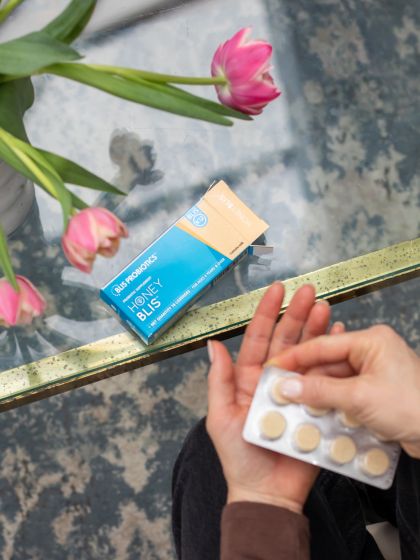
Targeted dental probiotics like ToothGuard® with BLIS M18® help neutralise mouth acid.
What Exactly Is Tooth Sensitivity?
To understand how to fix the pain, you first need to understand what is happening inside your mouth. Your teeth are protected by enamel, which is the hardest substance in the human body. Underneath that enamel is a softer layer called dentin.
Dentin is not solid. It contains thousands of microscopic tubules, which are tiny tunnels that lead directly to the nerve centre of the tooth. In a healthy mouth, the enamel and the gums keep these tunnels covered. Tooth sensitivity happens when these protective barriers fail.
When your enamel thins or your gums recede, those tunnels are exposed. When something cold, hot, or sweet touches your tooth, the stimulus travels through those tunnels and hits the nerve instantly. It is a literal shock to your system. Studies show that adults aged 18 to 44 are more likely to report this pain than older age groups. This is often because younger adults consume more acidic drinks and have more aggressive brushing habits.
Why Your Oral Microbiome Is the Missing Link
We often treat the mouth like a mechanical object that just needs scrubbing. In reality, it is a living ecosystem. This ecosystem is known as the oral microbiome. It contains over 700 species of bacteria that live on your teeth, tongue, and gums.
When this ecosystem is balanced, the "good" bacteria act as a shield. They produce substances that keep the "bad" bacteria in check. However, a diet high in sugar and processed carbs feeds the bad bacteria. Strains like Streptococcus mutans thrive in these conditions. They consume the sugar and produce lactic acid as a waste product.
This acid is the primary enemy of your enamel. It sits on the surface of your teeth and slowly dissolves the minerals that keep them strong. Over time, this leads to thinning enamel and exposed dentin. This is why understanding oral probiotics and their contribution to oral health is so important. By changing the bacteria in your mouth, you can stop the acid production at its source.
How to Alleviate Tooth Sensitivity Long-Term
If you want to know how to alleviate tooth sensitivity, you have to stop looking for a quick fix. You need a strategy that protects your enamel and supports your gums.
1. Fix Your Brushing Technique Aggressive brushing is a leading cause of sensitivity. If you use a hard-bristled brush, you are essentially sandpapering your enamel. Use a soft brush and gentle, circular motions. This protects the thin enamel near the gum line.
2. Manage Your Mouth Chemistry Every time you eat, the pH in your mouth drops. It stays acidic for up to 30 minutes. If you brush your teeth immediately after eating something acidic, like an orange or a soda, you are actually brushing away softened enamel. Wait at least an hour or rinse with water first.
3. Repopulate Your Mouth with Probiotics This is the most modern approach to oral care. By introducing beneficial bacteria, you can create an environment that is naturally resistant to acid and plaque.
The Role of BLIS M18® in Dental Protection
Most probiotics you find in the supermarket are for your gut. These will not help your teeth because they are not designed to live in the mouth. BLIS M18® is a unique strain that was actually discovered in the human mouth. It is an expert at surviving in the oral environment.
BLIS M18® works as a "probiotic peacekeeper" in three specific ways:
-
Acid Neutralisation: It produces an enzyme called urease. This enzyme reacts with saliva to produce ammonia, which is alkaline. This neutralises the lactic acid that causes sensitivity and decay.
-
Plaque Breakdown: It produces enzymes that help break down the "sticky" part of plaque. This makes it harder for bad bacteria to stay attached to your teeth.
-
Natural Antibiotics: It releases bacteriocin-like inhibitory substances (BLIS). These are natural proteins that specifically target and kill the harmful bacteria that cause gum disease.
Looking for targeted oral probiotic support? Discover how ToothGuard™ with BLIS M18® helps support enamel protection, plaque control, and long-term oral health.
Moving Beyond Symptoms
Traditional "sensitive" toothpastes work by using chemicals like potassium nitrate to numb the nerve. While this stops the pain, the enamel continues to thin because the acid-producing bacteria are still there. It is like turning off a smoke alarm while the fire is still burning.
A probiotic approach is different. It focuses on the "why" behind the pain. By balancing the oral microbiome, you create a neutral pH environment. This allows your saliva to do its job. Saliva is full of calcium and phosphate, which are the building blocks of your teeth. In a neutral environment, your saliva can naturally "re-seal" those tiny tubes in your dentin. This is a process called remineralisation.
A Proactive Approach to Family Health
We believe in using science to prevent problems before they start. Whether it is for you or your children, building a healthy bacterial balance is a tool for life. Protecting your oral health is not just about a pretty smile. It is about your overall wellness.
The mouth is the gateway to the rest of your body. An imbalanced mouth is linked to issues in the gut and even the heart. By taking care of your oral microbiome today, you are supporting your health for years to come.
Build healthier oral habits for the whole family with dental probiotics designed to support fresh breath, healthy teeth, and balanced bacteria. Shop the full range of dental probiotics today.
Frequently Asked Questions
Can probiotics actually fix sensitive teeth?
They treat the underlying cause. Probiotics neutralise the acids that erode enamel and help reduce the inflammation that causes receding gums. This stops the "trigger" of the pain.
How long do I need to take oral probiotics to see a change?
Most people notice a difference in the "cleanliness" of their teeth and their breath within 30 days. For sensitivity, it takes time for your gums to settle and for your mouth chemistry to balance.
Why does sugar make my teeth so sensitive?
Sugar is the primary fuel for acid-producing bacteria. When you eat sugar, these bacteria create a massive "acid spike" that attacks your enamel instantly.
Is it safe to take oral probiotics every day?
Yes. These are natural, beneficial bacteria that are already found in healthy mouths. Daily use ensures that the good bacteria stay colonised and keep the pathogens away.
Can children use these probiotics?
Yes. In fact, clinical studies on children have shown that BLIS M18® is incredibly effective at reducing plaque and supporting dental health during the growing years.