

Key Takeaways
-
Probiotic foods contain live beneficial cultures, while prebiotic foods provide the fibre that those good bacteria feed on.
-
Fermented foods like yoghurt, kimchi, naturally brined pickles, buttermilk, cottage cheese and miso are among the richest everyday sources of probiotics.
-
Prebiotic foods such as bananas, almonds and broccoli don't contain probiotics themselves but help feed and diversify your existing good bacteria.
-
Bloating, digestive irregularity and bleeding gums can be signs of dysbiosis, where harmful bacteria outnumber beneficial ones.
-
Diet alone is often not concentrated or targeted enough for specific concerns like bad breath or tooth decay, where strain-specific supplements can help.
As children , we are taught that our bodies are home to trillions of bacteria: an internal ecosystem we simply cannot survive without. These beneficial microbes are responsible for keeping us resilient, helping our gut recover after an illness, and even acting as a primary defence for our teeth and gums.
However, modern lifestyles often deplete these colonies. Whether it is a high-sugar diet or a long course of antibiotics (read our blog on the benefits of taking probiotics after antibiotics),many of us reach a point where our natural defences need reinforcement.
What Do Probiotics Do?
Probiotics are "friendly" live bacteria that, when consumed in adequate amounts, provide health benefits. When you experience symptoms like persistent bloating, digestive irregularities, or even bleeding gums, it is often one of the signs you need probiotics. Your system is likely suffering from dysbiosis (an imbalance where "bad" bacteria outnumber the "good").
Integrating probiotic foods into your daily routine can help tilt the scales back in your favour. By diversifying what you eat, you can support both digestive and dental health while promoting a more proactive immune response.
9 Foods to Support Your Microbiome
While many people ask what foods have probiotics, it is important to distinguish between foods that contain live cultures and those that provide the prebiotic fibre needed to feed them. Here are nine staples that support a healthy bacterial balance:
- Yoghurt: Perhaps the most famous source of live cultures. When choosing a yoghurt, look for "live and active cultures" on the label to ensure it is a high-quality food with probiotics that can actually colonise the gut.
- Kimchi: This fermented Korean side dish is a nutritional powerhouse. It is one of the top probiotic foods available, offering a spicy, sour hit of beneficial Lactobacilli.
- Pickles: Naturally fermented pickles (those cured in brine, not vinegar) are rich in probiotics. They are a convenient snack that supports both gut health and metabolic function.
- Traditional Buttermilk: While modern "cultured" buttermilk has some benefits, traditional buttermilk (the liquid left over from making butter) is the gold standard for live cultures.
- Bananas (Prebiotic Power): While often called a probiotic food, bananas are actually a premier source of prebiotic fibre. They provide the fuel that helps your existing good bacteria thrive.
- Cottage Cheese: Not all cheeses are created equal, but many varieties of cottage cheese are fermented with live cultures, making them a protein-rich way to support your microbiome.
- Miso: This Japanese staple is created by fermenting soybeans with salt and koji. It is an excellent way to add probiotic foods into savoury soups and dressings.
- Almonds: Like bananas, almonds act as a prebiotic. They have been shown to increase the diversity of the gut's "good" bacteria, which is one of the key signs probiotics are working for you.
- Broccoli: This is one of the best sources of prebiotic fibre for vegetarians and vegans. It provides the structural support your microbiome needs to remain robust and diverse.
The Limitation of Diet Alone
While knowing what foods contain probiotics is a great first step, diet alone often isn't enough to address specific health concerns like halitosis, tooth decay, or chronic gut issues. Fermented foods provide a broad range of bacteria, but they aren't always concentrated or targeted enough to colonise the mouth or lower GI tract effectively.
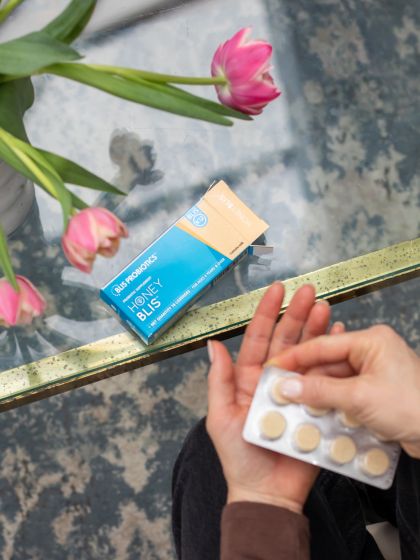
If you are wondering how long until probiotics start working, the answer depends on the delivery method. Lozenges are designed to slowly dissolve in the mouth, delivering specific, scientifically researched strains like BLIS K12™ for oral health directly where they are needed most.
Relying solely on your diet can leave gaps in your microbial defence. To truly fortify your system and experience the elite benefits of targeted bacterial interference, high-strength supplementation is the essential next step.